
Pinball, Power & What You Don't Know

“It was awful!! 240-volts!!”
Simon doesn't have to think for long when asked if he's ever received an electric shock while working on a pinball machine. He has.
It was a while ago. A Gottlieb 1970s machine. He describes the playfield being in the vertical service position, and reaching for a screw that had fallen into the cabinet. The machine was switched off, but the line filter was still live. Because it sits before the machine's switch, turning the game off doesn't disconnect the incoming power. The screw rolled next to one of the terminals, and before he knew it, he was touching the mains without thinking.
The danger is not always obvious.
Electrical safety is an important part of maintaining the machines at YOPS. Simon tests and tags every machine and upgrades electrical components that players rarely think twice about.
Older machines can have degraded power cables, and mains plugs with damaged housings and tarnished pins. Mains leads and line filters are routinely replaced. The filters are designed to suppress electrical noise coming down the power line, but they can also fail and short between phase and neutral. When that happens, they can blow a fuse in the machine or in the building.
The consequences aren't necessarily confined to the pinball machine. If, at a location, it might share a circuit with a fridge or freezer, a failed filter could cut power to those appliances too, leaving the operator facing the cost of replacing spoiled food or worse.
Inside the machine, not all the electrical components are necessarily present or intact, including the varistor and thermistor.
Another part of the electrical system that deserves particular attention is earthing.
Much older games sometimes have two-wire power cables, carrying phase and neutral but no earth. This is a serious electrical safety issue; anything without an earth connection should not be in use. In a short-circuit situation, if the supply has no earth connection, current could pass through someone touching the machine rather than safely returning through the grid.
Testing and tagging also checks insulation and resistance, helping identify electrical faults that might otherwise go unnoticed. AS/NZS 3760 is the Australian and New Zealand standard used for the in-service safety inspection and testing of electrical equipment. Any operator or establishment is responsible for ensuring electrical equipment is safe and properly maintained.
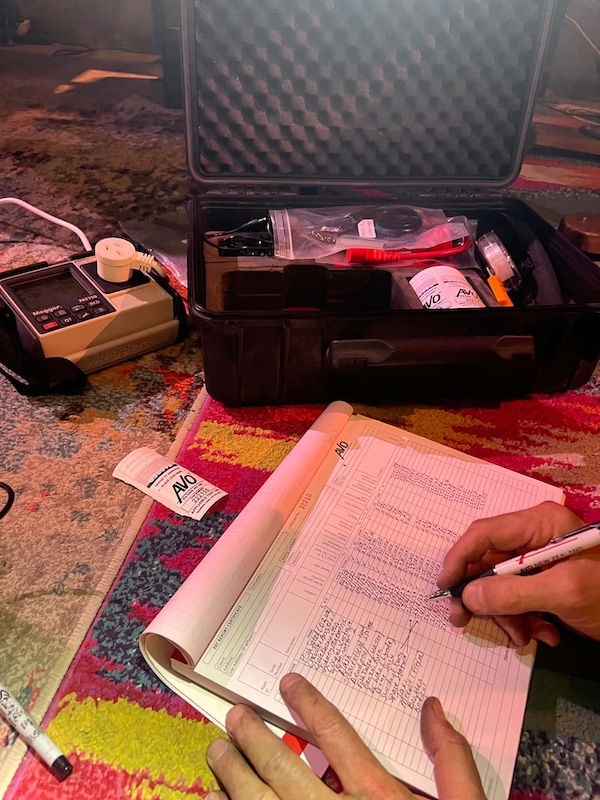
There's a lot happening behind the scenes at YOPS to keep the machines safe. Much of it goes unnoticed by players, but it's an essential part of keeping the arcade running.

Comments